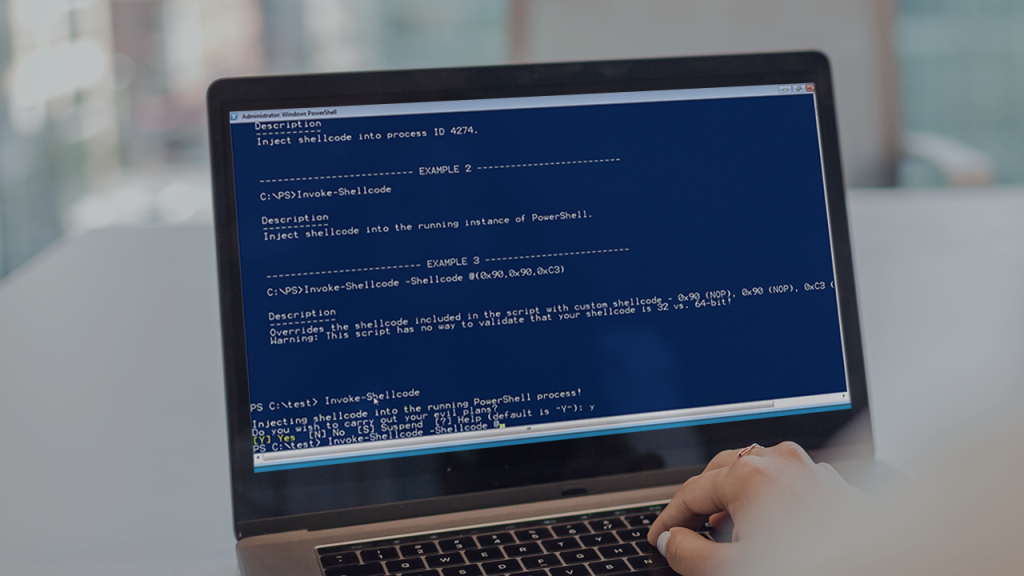
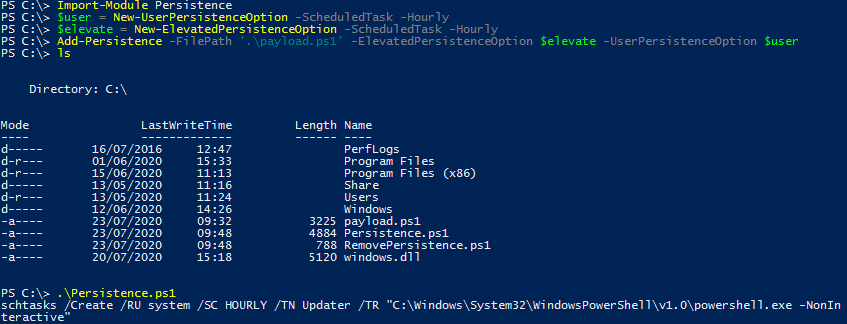
PowerSploit emerged as a groundbreaking collection of PowerShell modules designed for penetration testing, security assessments, and digital forensics. Initially developed by security professionals for security professionals, this powerful framework quickly gained traction in the cybersecurity community for its versatility and effectiveness in identifying system vulnerabilities. The tool’s ability to leverage PowerShell’s native capabilities made it particularly valuable for security researchers and red team operations.
The framework’s primary purpose was to provide security professionals with a comprehensive set of tools that could assist in various security testing scenarios. From post-exploitation tasks to reconnaissance activities, PowerSploit offered a wide range of capabilities that could be customized based on specific security assessment needs. Its modular design allowed users to select and implement only the components relevant to their particular testing objectives.
As PowerShell became increasingly integrated into Windows environments, the significance of PowerSploit grew exponentially. Security professionals recognized the potential of using PowerShell for both offensive and defensive security operations, leading to widespread adoption of the framework. This adoption was further fueled by the tool’s open-source nature, which encouraged community contributions and continuous improvement of its capabilities.
The Evolution of PowerSploit Development
Early Development Milestones
PowerSploit’s journey began with the recognition of PowerShell’s potential as a security tool. The initial versions focused on providing basic functionality for security assessments, with modules designed for specific testing scenarios. These early releases laid the foundation for what would become one of the most widely used PowerShell security frameworks in the industry.
The development team prioritized creating modules that addressed common security testing needs while maintaining ease of use. This approach ensured that even security professionals with limited PowerShell experience could leverage the framework effectively. The modular architecture allowed for gradual expansion of capabilities without compromising the overall stability of the framework.
As the tool gained popularity, the development pace accelerated, with new features and modules being added regularly. The community responded positively to these updates, contributing feedback and suggestions that helped shape the future direction of PowerSploit’s development.
Key Contributors and Their Roles
The success of PowerSploit can be attributed to the dedicated team of security professionals who contributed to its development. These individuals brought diverse expertise from various domains of cybersecurity, ensuring that the framework addressed a wide range of security testing scenarios.
- The core development team consisted of security researchers with extensive experience in penetration testing and vulnerability assessment
- Community contributors played a crucial role in expanding the framework’s capabilities by submitting new modules and improvements
- Security professionals from various organizations provided valuable feedback that guided the development priorities
This collaborative approach to development ensured that PowerSploit remained relevant and effective in addressing emerging security challenges. The open-source nature of the project encouraged transparency and allowed for peer review of the code, enhancing the overall quality and reliability of the framework.
Notable Version Updates and Features
Throughout its development lifecycle, PowerSploit underwent significant transformations, with each major version introducing new capabilities and improvements. These updates reflected the evolving needs of the security community and the changing landscape of cybersecurity threats.
One of the most significant updates was the introduction of anti-virus evasion techniques, which became increasingly important as security solutions became more sophisticated. The development team continuously worked on improving these evasion techniques to ensure that the framework remained effective in modern security environments.
Another notable enhancement was the expansion of reconnaissance capabilities, allowing security professionals to gather more comprehensive information about target systems. These improvements made PowerSploit an even more valuable tool for initial penetration testing phases, where information gathering is crucial for identifying potential vulnerabilities.
Current Maintenance Status
Recent Activity Analysis
The maintenance status of PowerSploit has become a topic of concern within the cybersecurity community in recent years. Analysis of recent activity reveals a significant slowdown in updates and new feature development compared to the project’s earlier years. This reduction in activity has led many security professionals to question whether the framework is still being actively maintained.
The official repository shows a marked decrease in commit frequency, with extended periods between updates. This pattern suggests that the original development team may have shifted their focus to other projects or initiatives. While occasional updates still occur, they are primarily focused on maintaining compatibility with newer PowerShell versions rather than introducing significant new features.
The community has noticed this trend, with discussions appearing on various security forums about the future of PowerSploit. Some security professionals have begun exploring alternative tools that are receiving more active development and support.
Developer Communications
Communication from the original PowerSploit development team has become increasingly sparse in recent months. Official announcements regarding the project’s future direction have been limited, leaving the security community uncertain about the framework’s long-term viability. This lack of transparent communication has contributed to concerns about the project’s maintenance status.
The development team’s social media presence and blog posts have also decreased, further indicating a potential shift in priorities. While this doesn’t necessarily mean the project has been abandoned, it does suggest that the team’s resources may be allocated elsewhere.
Some members of the original development team have moved on to other initiatives within the cybersecurity space, which may explain the reduced focus on PowerSploit. This transition is not uncommon in open-source projects, where developers often shift their attention to new challenges and opportunities.
Community Response to Changes
The security community has responded to the changes in PowerSploit’s development pace with mixed reactions. Some professionals continue to use the framework for its established capabilities, while others have begun exploring alternative solutions that offer more active development and support.
- Long-time users of PowerSploit have expressed appreciation for the tool’s historical contributions to cybersecurity
- Security professionals concerned about using potentially outdated tools have started evaluating alternatives
- Some community members have expressed interest in forking the project to continue its development independently
This diversity of responses reflects the varied needs and priorities of security professionals in different contexts. While some organizations may be comfortable using a stable but infrequently updated tool, others require more active development to address emerging security challenges.
Alternative Security Frameworks in the Market
Direct Competitors to PowerSploit
As concerns about PowerSploit’s maintenance status have grown, several alternative frameworks have gained prominence in the security community. These alternatives offer similar capabilities but with more active development and support, making them attractive options for security professionals seeking reliable tools for their assessments.
One notable alternative is the PowerSploit-Remastered project, which aims to continue the development of the original framework with additional features and improvements. This community-driven initiative demonstrates the continued demand for PowerSploit-like capabilities in the security testing landscape.
Other alternatives include Empire, Covenant, and various specialized PowerShell security tools that focus on specific aspects of security testing. These tools often offer more modern approaches to security assessments and may provide better integration with current security environments.
Emerging PowerShell Security Tools
The PowerShell security landscape continues to evolve, with new tools emerging to address contemporary security challenges. These tools often incorporate lessons learned from earlier frameworks like PowerSploit while introducing innovative approaches to security testing.
Many of these emerging tools prioritize cross-platform compatibility, reflecting the increasing diversity of operating systems in modern IT environments. This focus on versatility ensures that security professionals can conduct comprehensive assessments across heterogeneous infrastructure.
The development of these new tools is often driven by community needs and emerging security threats, ensuring that they remain relevant in addressing current cybersecurity challenges. This agile approach to development contrasts with the slower pace of updates observed in the original PowerSploit project.
Cross-Platform Security Solutions
The increasing diversity of IT environments has led to the development of cross-platform security solutions that can operate effectively across different operating systems. These tools recognize that modern security assessments often require capabilities beyond traditional Windows environments.
Many of these cross-platform solutions incorporate PowerShell-like capabilities while extending their functionality to other scripting environments and operating systems. This approach ensures that security professionals can maintain consistent testing methodologies across diverse infrastructure.
The emergence of these cross-platform tools reflects the evolving needs of security professionals in increasingly heterogeneous IT environments. As organizations adopt multi-platform strategies, the demand for versatile security assessment tools continues to grow.
Impact of Maintenance Status on Security Professionals
Risks of Using Unmaintained Tools
Security professionals face significant risks when using unmaintained tools in their assessments. These risks include potential compatibility issues with newer systems, lack of updates to address emerging security challenges, and the possibility of using outdated techniques that may be detected by modern security solutions.
The primary concern is that unmaintained tools may not effectively address current security vulnerabilities or may even introduce new risks to the systems being tested. This is particularly problematic in penetration testing, where the goal is to accurately identify security weaknesses without causing unintended harm.
Another significant risk is the potential for security vulnerabilities within the tools themselves. Unmaintained software may contain undiscovered vulnerabilities that could be exploited by malicious actors, potentially compromising the security professional’s systems or the systems they are testing.
Benefits of Active Development
Actively maintained security tools offer numerous advantages for security professionals. These benefits include regular updates to address emerging threats, compatibility with newer systems, and continuous improvement based on user feedback and evolving security challenges.
Active development also ensures that tools remain effective against modern security solutions that may have adapted to older testing techniques. This ongoing evolution is crucial in the cat-and-mouse game between security professionals and those developing defensive measures.
Furthermore, actively maintained tools typically have better community support, with forums, documentation, and other resources that help security professionals maximize the effectiveness of their assessments. This support infrastructure can be invaluable when troubleshooting issues or learning to use new features.
Migration Strategies for Teams
Security teams considering migration from PowerSploit to alternative tools should develop comprehensive strategies to ensure a smooth transition. These strategies should include evaluating potential alternatives based on specific testing needs, training team members on new tools, and developing processes to integrate new tools into existing workflows.
A phased approach to migration can help minimize disruption to ongoing security assessments while allowing team members to gradually adapt to new tools. This approach may involve running parallel assessments using both PowerSploit and alternative tools to compare results and identify any gaps in capabilities.
Documentation of existing PowerSploit-based procedures and custom modules is essential during this transition, as it helps ensure that critical capabilities are not lost during the migration process. This documentation also serves as a valuable resource for developing equivalent functionality in new tools.
Future Outlook for PowerShell Security Tools
Industry Trends and Directions
The PowerShell security landscape continues to evolve in response to changing security needs and technological developments. Current trends indicate a shift toward more integrated security testing platforms that can address multiple aspects of security assessments within a unified framework.
Another significant trend is the increasing emphasis on automation in security testing, with tools that can streamline repetitive tasks and allow security professionals to focus on more complex analysis. This automation trend reflects the growing scale and complexity of modern IT environments.
The integration of artificial intelligence and machine learning into security testing tools represents another emerging trend. These technologies have the potential to enhance the effectiveness of security assessments by identifying patterns and anomalies that might be missed by traditional testing approaches.
Potential PowerSploit Revitalization
Despite the current slowdown in PowerSploit’s development, there remains potential for revitalization of the framework. This could occur through renewed interest from the original development team, community-driven initiatives, or adoption by organizations with the resources to support continued development.
The established user base and historical significance of PowerSploit make it an attractive candidate for revitalization. Many security professionals have developed expertise with this framework and may be motivated to contribute to its continued evolution.
A potential revitalization would likely need to address modern security challenges while maintaining the core capabilities that made PowerSploit valuable to the security community. This balance between innovation and preservation of established functionality would be crucial for successful revitalization efforts.
Community-Driven Development Possibilities
The open-source nature of PowerSploit makes it particularly suitable for community-driven development initiatives. This approach has proven successful for other security tools that faced similar challenges with maintenance from their original development teams.
Community-driven development could take various forms, from organized forks of the original project to more distributed contributions that enhance specific aspects of the framework. The key factor would be establishing clear governance structures and development priorities to ensure coherent evolution of the tool.
The security community has demonstrated numerous times its ability to sustain and enhance valuable open-source tools when commercial support wanes. This collective capability suggests that PowerSploit could continue to evolve through community efforts, even if the original development team remains less actively involved.
Conclusion
The question of PowerSploit’s maintenance status reflects broader challenges in sustaining open-source security tools over time. While current development has slowed, the framework’s historical significance and established capabilities ensure its continued relevance in the short term. Security professionals should evaluate their specific needs and risk tolerance when deciding whether to continue using PowerSploit or explore alternatives. The future of PowerShell security tools will likely involve both evolution of established frameworks and emergence of new approaches to address changing security landscapes.